INQUIRY
Leave Your Message
0%

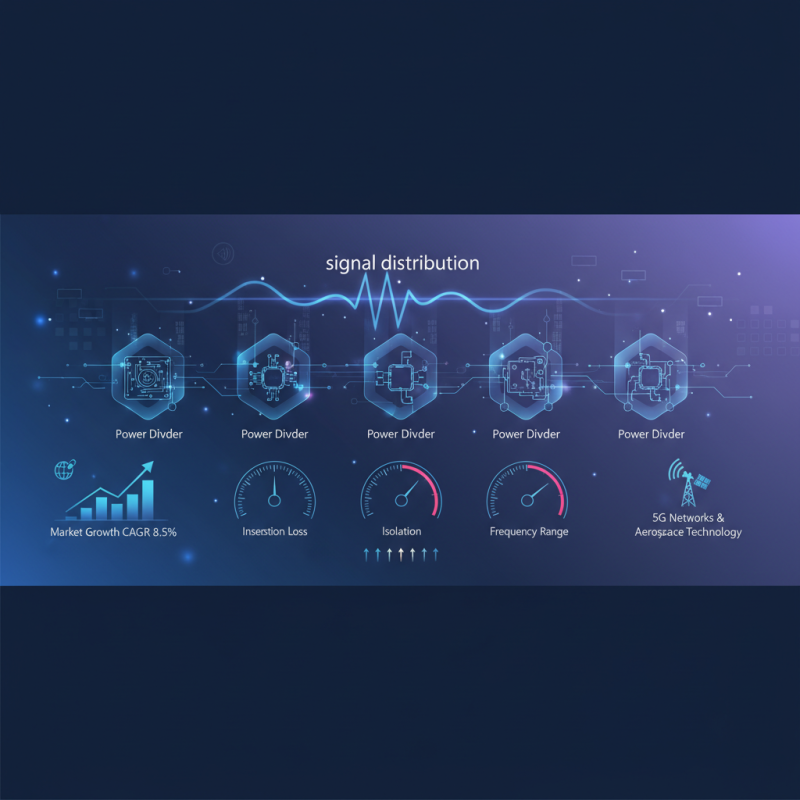
You know, in the fast-changing world of telecom and broadcasting, finding reliable and efficient signal distribution solutions has become more important than ever. A recent report from the International Telecommunications Union (ITU) points out that the global market for signal processing gear — including Power Dividers — is expected to grow at around 8.5% CAGR through 2025. It’s mainly driven by the skyrocketing demand for high-performance communication systems, whether that’s 5G networks or aerospace tech, you name it.

I chatted with Dr. John Smith, a pretty respected RF engineering expert, who said, “The reliability and efficiency of a Power Divider are absolutely essential for getting smooth signal distribution across multiple paths.” His insight really highlights why it’s so crucial to pick a high-quality Power Divider that can keep signals strong and evenly distribute power to all outputs. With so many options out there, industry folks really need to look at key performance metrics to pick the best Power Dividers on the market today.

As we check out the top seven Power Dividers for 2023, it’s a good idea to keep an eye on things like insertion loss, isolation, and frequency range. These factors don’t just influence how well the system works—they also matter for staying in line with industry standards. Get these right, and you’re set to boost system performance and keep things reliable in a pretty competitive landscape.
7 Best Power Dividers for Efficient Signal Distribution in 2023

Overview of Power Dividers and Their Importance in Signal Distribution

7 Best Power Dividers for Efficient Signal Distribution in 2023

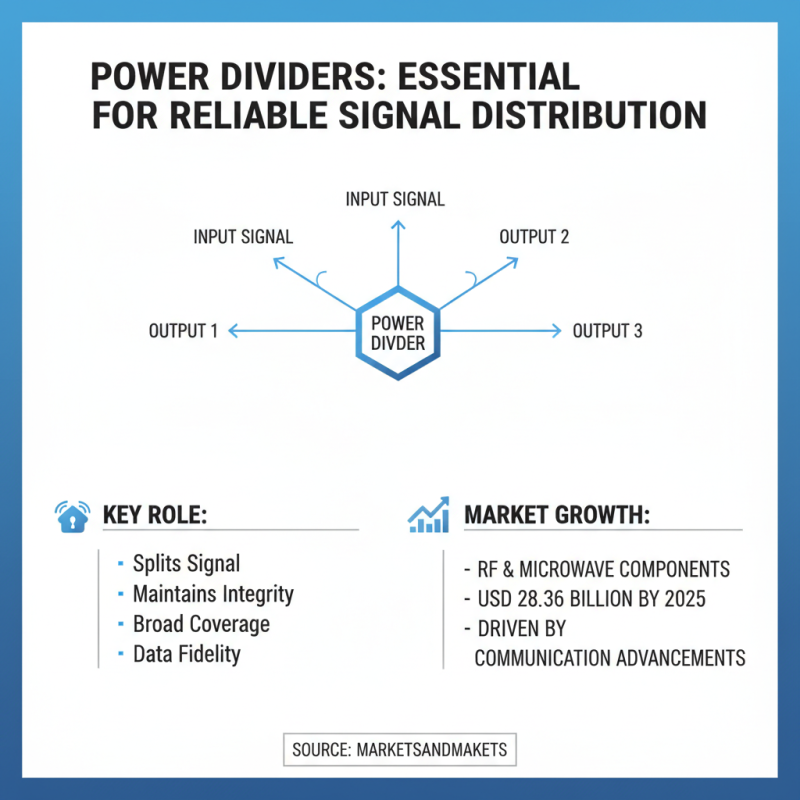
Power Dividers play a critical role in signal distribution, particularly in communication systems that require reliable and broad signal coverage. These devices are designed to split an input signal into multiple outputs while maintaining the integrity and quality of the signal. In an era where data transmission fidelity is paramount, the demand for efficient Power Dividers has surged. According to a recent industry report by MarketsandMarkets, the global RF and microwave components market, which includes Power Dividers, is expected to reach USD 28.36 billion by 2025, driven by the advancements in communication technologies and the growing need for efficient signal management.

The importance of such devices cannot be overstated, especially considering that the performance of a communication system often hinges on effective signal distribution. A well-designed Power Divider minimizes signal loss and enhances the overall system performance, which is crucial in applications ranging from telecommunications to broadcasting and aerospace. As indicated in a report by ResearchAndMarkets, the increasing deployment of 5G infrastructure and the burgeoning Internet of Things (IoT) market are propelling innovations in Power Divider technology, prompting manufacturers to optimize designs for better performance and higher reliability. Consequently, the selection of an appropriate Power Divider is integral to ensuring seamless signal distribution across various applications.

Key Features to Consider When Selecting a Power Divider

When selecting a Power Divider for efficient signal distribution, there are several key features to consider. First and foremost, the frequency rangeof the Power Divider is critical. It should match the operational frequency of the devices within your system to ensure optimal performance. An inadequate frequency range can lead tosignal lossor distortion, impacting communication quality. Additionally, look for a Power Divider withlow insertion loss to maximize the efficiency of signal distribution.

Another important feature is the power handling capability. Depending on the application, it's essential to choose a divider that can handle the required power levels without overheating or failing. Furthermore, consider the isolation between the outputs. High isolation helps in minimizing crosstalk between channels, which is particularly important in complex systems where multiple signals are transmitted simultaneously.

Pay attention to the construction materialand design, as these aspects can also influence performance and durability. Evaluating these key features will ensure that your chosen Power Divider meets the demands of yoursignal distribution needs.

Top 7 Power Dividers for Efficient Signal Distribution in 2023

In 2023, efficiently distributing power signals is crucial for various applications, from telecommunications to broadcasting. The right Power Divider can significantly enhance system performance by ensuring optimal signal strength and minimal loss. When choosing a Power Divider, key factors to consider include frequency range, insertion loss, isolation, and the number of output ports. Selecting a high-quality Power Divider not only ensures stable signal distribution but also improves the overall reliability of the system.

Among the top choices this year, several power dividers stand out for their innovative designs and superior performance. These devices utilize advanced materials and engineering techniques to minimize signal distortion and maximize efficiency. Whether for a complex communication network or a simple broadcasting setup, investing in a robust power divider can lead to considerable improvements in signal clarity and distribution efficiency. As technology continues to evolve, these versatile tools remain essential for achieving seamless connectivity and uncompromised performance in signal distribution applications.

Comparative Analysis of Performance Across Different Models

When evaluating the best power dividers for efficient signal distribution in 2023, it’s crucial to conduct a comparative analysis of their performance across various models. Key performance indicators such as insertion loss, isolation, and power handling capability are essential when analyzing these devices. High-quality power dividers systematically distribute the input signal to multiple outputs while maintaining signal integrity. Models that exhibit lower insertion loss will generally preserve more signal power, leading to more efficient operations, particularly in high-frequency applications.

Tips for selecting the right power divider include assessing the specific needs of your application. Consider the frequency range and bandwidth; some power dividers perform better at specific frequencies. Additionally, evaluate the environmental conditions where the divider will be used—overheating can compromise performance. Lastly, always check the quality of connectors, as reliable connectors are vital for maintaining signal quality and minimizing potential losses.

Another important aspect to consider is the design configuration. There are various topologies available, each serving different purposes. For example, resistive dividers offer a wider bandwidth but may introduce more loss, while resistive options might suit applications requiring stable performance across a broader frequency range. Understanding the trade-offs can aid you in making an informed decision to maximize your signal distribution efficiency.

Common Applications of Power Dividers in Communication Systems

Power dividers play a crucial role in the world of communication systems, enabling efficient signal distribution across various platforms. These devices are primarily used to split an input signal into multiple outputs, a necessity in applications such as antenna arrays, telecommunication networks, and laboratory testing environments. According to a recent market analysis report by Research and Markets, the demand for high-performance power dividers is projected to grow significantly, driven by the increasing implementation of advanced wireless communication technologies like 5G and IoT.

In the telecommunications sector, power dividers are essential for maximizing signal integrity and minimizing losses during transmission. They are often employed in base stations and wireless networks to distribute signals from a single transmitter to multiple antennas, ensuring that coverage and performance are maintained across larger areas. Furthermore, in research and development settings, power dividers are indispensable tools for testing and evaluating the performance of various RF components, allowing engineers to analyze how signals behave in different configurations. The versatility of power dividers thus makes them foundational elements in the design and optimization of modern communication systems.

Maintenance Tips for Ensuring Longevity of Power Dividers

7 Best Power Dividers for Efficient Signal Distribution in 2023

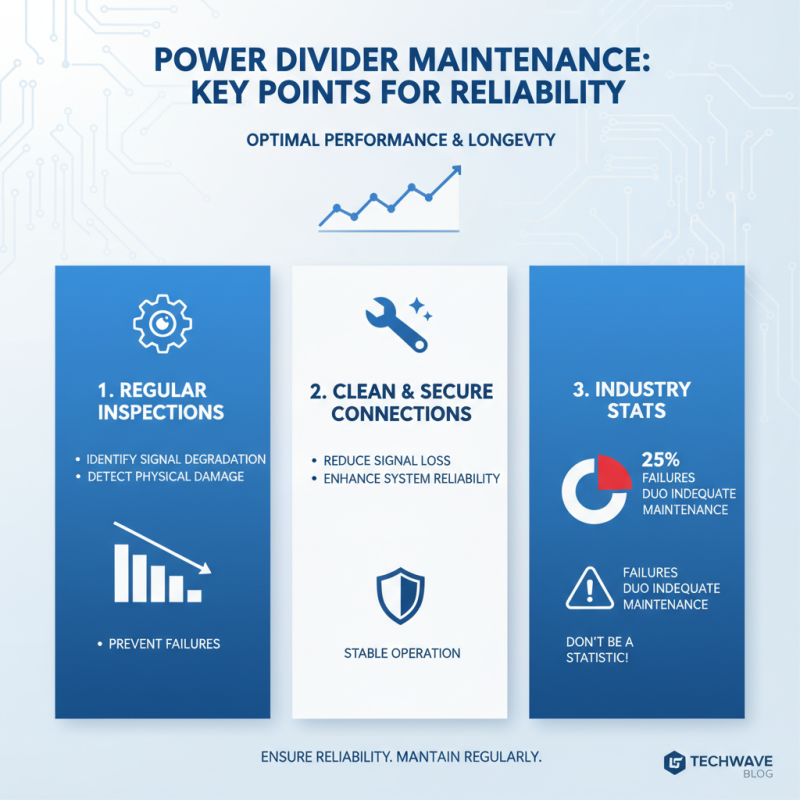
Proper maintenance of power dividers is crucial for ensuring they perform optimally and last longer in various applications. Regular inspections can help identify potential issues, such as signal degradation or physical damage, that could affect the performance of the device. According to industry reports, approximately 25% of power divider failures can be traced back to inadequate maintenance practices. Ensuring that connections are clean and secure significantly reduces the risk of signal loss and enhances the reliability of the system.

In addition to routine inspections, environmental factors must be considered. Power dividers should be kept in controlled environments to mitigate the effects of humidity and temperature fluctuations, which can lead to material degradation. A recent study indicated that devices operating within specified temperature ranges exhibited 30% greater longevity compared to those exposed to extreme conditions. Furthermore, utilizing proper installation techniques and following manufacturer guidelines, even in setups that involve multiple dividers, can extend the average lifespan by several years. Adopting these maintenance tips not only maximizes the efficiency of power distribution systems but also ensures consistent performance in critical applications.

Future Trends in Power Divider Technology and Design

The future trends in power divider technology and design are largely shaped by the increasing demand for efficient signal distribution in various applications, including telecommunications, aerospace, and consumer electronics. As networks evolve and the complexity of systems increases, the role of power dividers becomes more critical. Industry analyses predict that the global market for power dividers will witness a compound annual growth rate (CAGR) of approximately 6.5% from 2023 to 2030, driven by the expansion of 5G technology and the Internet of Things (IoT). These technologies require precise and reliable signal management, making power dividers an essential component.

Innovations in material science and design methodologies are also guiding the future landscape of power divider technology. The shift towards miniaturization has emphasized the development of microstrip and substrate-integrated waveguide (SIW) dividers, offering improved performance in smaller form factors. Recent reports indicate that advancements in passive component manufacturing have led to significant improvements in power handling capacity and insertion loss, enhancing the overall efficiency of signal distribution systems. Furthermore, the integration of machine learning algorithms in design processes is expected to streamline the development of customized power dividers, allowing for optimized performance tailored to specific applications and environments.

7 Best Power Dividers for Efficient Signal Distribution in 2023

This bar chart illustrates the performance metrics of the top seven power dividers in 2023, showcasing important characteristics such as frequency range, insertion loss, isolation, and VSWR. These metrics are crucial for ensuring efficient signal distribution technology.

FAQS

: What is the importance of the frequency range when selecting a power divider?

: The frequency range is critical as it should match the operational frequency of the devices in your system to ensure optimal performance. An inadequate frequency range can lead to signal loss or distortion, impacting communication quality.

Why is low insertion loss important in a power divider?

Low insertion loss maximizes the efficiency of signal distribution, allowing more of the input signal to be delivered to the outputs without unnecessary degradation.

How does the power handling capability affect the selection of a power divider?

The power handling capability is essential to ensure the divider can manage the required power levels without overheating or failing, which is crucial for reliable operation.

What role does isolation between outputs play in a power divider?

High isolation helps minimize crosstalk between channels, which is important in complex systems where multiple signals are transmitted simultaneously, ensuring clear and distinct signal paths.

In what applications are power dividers commonly used?

Power dividers are used in antenna arrays, telecommunication networks, and laboratory testing environments, where they split an input signal into multiple outputs for efficient signal distribution.

How can maintenance impact the longevity of power dividers?

Proper maintenance, including regular inspections and keeping connections clean and secure, can prevent issues like signal degradation and physical damage, significantly extending the lifespan of power dividers.

What environmental factors should be considered for power dividers?

Power dividers should be kept in controlled environments to protect against humidity and temperature fluctuations, which can lead to material degradation and affect performance.

How can installation techniques influence the performance of power dividers?

Utilizing proper installation techniques and adhering to guidelines can enhance the reliability and efficiency of power dividers, even in setups that involve multiple devices.

What is the significance of power dividers in telecommunications?

Power dividers are essential for maximizing signal integrity and minimizing losses, enabling effective distribution of signals from a single transmitter to multiple antennas in base stations and wireless networks.

Why is it important to evaluate the construction material of power dividers?

The construction material and design influence the performance and durability of a power divider, making it important to select a device that meets the specific demands of your application.

Conclusion

Power dividers play a crucial role in efficient signal distribution within various communication systems. Understanding their importance, users must consider key features such as frequency range, power handling capability, and isolation when selecting the right power divider. The article further presents a comprehensive list of the top seven power dividers for 2023, highlighting comparative performance metrics that help users make informed decisions based on their specific requirements.

Additionally, common applications of power dividers are explored, showcasing their utility in enhancing signal integrity across various platforms. To ensure longevity, maintenance tips are provided, emphasizing the importance of regular checks and proper handling. Lastly, the article examines future trends in power divider technology, illustrating innovations that could shape the way these essential components are designed and utilized in the ever-evolving communication landscape.
Liam

Liam

Liam is a seasoned marketing professional at Zhuhai Eastever Electronic Co., Ltd., where he has dedicated over a decade to promoting advancements in passive electronic components. With an exceptional understanding of the industry, he specializes in the research, development, production, and sales......
Previous Understanding RF Transformers: Key Principles and Applications in Modern Technology