Picking the right DC Line Filter can really make a difference in how well your system runs. Honestly, there are quite a few things to think about when making this choice. The key is understanding exactly what your setup needs.
A Dc Line Filter helps cut down on noise and keeps your circuits safe. It’s pretty essential in a bunch of applications—whether you’re dealing with renewable energy setups or industrial machines. But here’s the thing: with so many options out there, it can get pretty overwhelming. Just keep an eye out for filters that match your voltage and current specs.
And don’t forget—different filters don’t always perform the same in every situation. It’s a good idea to test things out and make sure they work well together. Also, think about how easy it is to install and maintain the filter. Take your time with this decision—rushing isn’t going to help. The right Dc Line Filter might seem like a small thing, but in the long run, it really pays off in terms of efficiency and reliability.
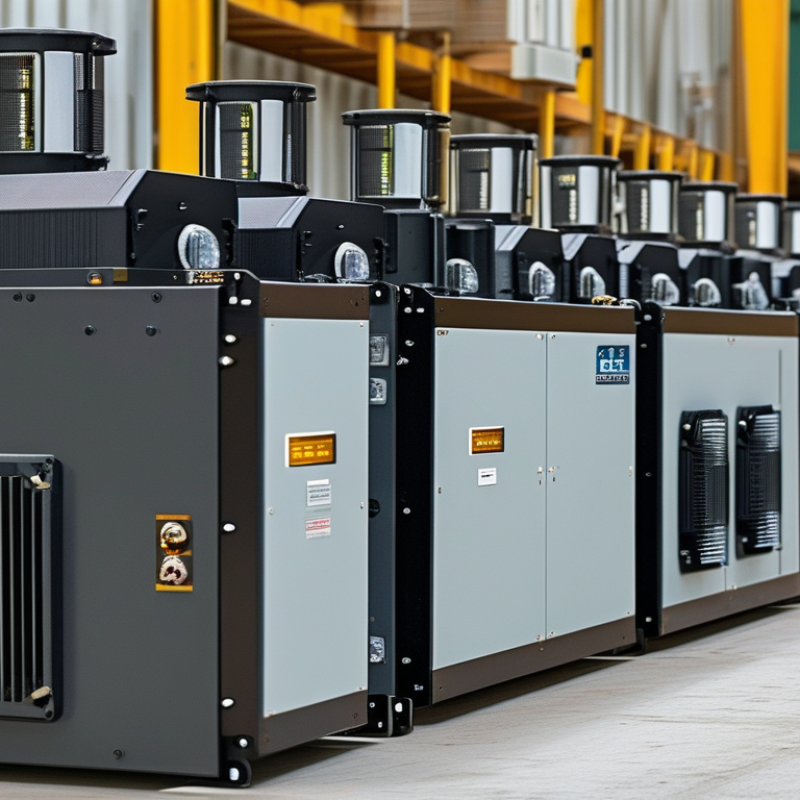
Understanding DC Line Filters: Types and Applications
Dc Line Filters play a critical role in managing electrical noise. Understanding the different types and applications can help you make informed decisions. These filters typically include low-pass filters, high-pass filters, and band-pass filters. Each serves a specific purpose. Low-pass filters smooth out voltage spikes, while high-pass filters prevent unwanted interference at lower frequencies.
Applications for Dc Line Filters are varied. They are often used in industrial equipment, solar inverters, and telecommunications systems. In these settings, the quality of electrical signals is essential for optimal performance. However, choosing the wrong filter can lead to inefficiencies. Users should evaluate their power requirements and the types of interference they expect.
Experience shows that many overlook the importance of filtration. It's common to think all filters serve the same purpose. This misconception can lead to poor choices. Not every Dc Line Filter has the same capacity for a specific situation. Take the time to analyze your unique needs. Investing in a suitablePower Line Filter can save money in the long run. Understanding your equipment and its operational environment is essential.
2026 DC Line Filters Performance Comparison
Key Specifications to Evaluate When Choosing DC Line Filters
When selecting a Dc Line Filter, it’s essential to focus on key specifications. Start by checking the cut-off frequency. This frequency determines how effectively the filter can reduce unwanted noise. A lower cut-off frequency often results in better noise suppression. However, it might also affect your signal quality. Balance is crucial.
The filter’s insertion loss is another significant aspect. It indicates how much signal is lost when transmitted through the filter. Ideally, you want a low insertion loss for minimal impact on signal integrity. Pay attention to the rated voltage and current as well. Ensure the filter can handle your system’s specific requirements.
Tip: Always consider your application. If the environment is harsh, look for filters with higher durability ratings.
Evaluate the overall size and packaging too. Some filters fit tightly in compact spaces, while others are bulkier. Make sure the filter matches your design needs. Testing in your specific setup helps identify if a filter meets your expectations.
Tip: Don’t rush your decision. Take time to compare different options. You might discover better alternatives. Remember, the right Dc Line Filter can greatly enhance your system's performance.
Importance of Filtering Efficiency and Frequency Response in Selection
When considering a Dc Line Filter, filtering efficiency and frequency response are critical. A well-designed filter enhances system performance by reducing noise and maintaining signal integrity. Reports indicate that up to 80% of power quality issues stem from electromagnetic interference. Thus, selecting the right Dc Line Filter can significantly impact overall system efficiency.
Filtering efficiency depends on the specific design and component choices. For instance, a standard Line Filter Choke may minimize noise at certain frequencies but may struggle outside its intended range. The right choice should focus on achieving optimal attenuation across a broad frequency spectrum. Studies suggest that filters with a 30 dB attenuation at 1 MHz can result in a marked improvement in overall system reliability.
Frequency response characteristics are equally vital. A filter that performs well in one frequency range may falter in another. Systems operating across variable frequencies require versatility. Implementing a Line Filter Choke that offers wideband performance can help in such scenarios. However, potential drawbacks should be examined, including the size and cost implications of high-performance options. Balancing performance and practicality is essential to making an informed decision.
2026 How to Choose the Best DC Line Filter for Your Needs?
| Filter Type | Filtering Efficiency (%) | Frequency Response (Hz) | Application | Ideal Voltage Range (V) |
| Capacitor Filter | 95 | 10 - 10000 | General DC Applications | 5-50 |
| LC Filter | 98 | 20 - 5000 | High-Frequency Noise Reduction | 10-100 |
| Active Filter | 99 | 10 - 20000 | Precision Applications | 15-250 |
| Low Pass Filter | 90 | 1 - 1000 | Subharmonic Applications | 5-75 |
| High Pass Filter | 85 | 100 - 15000 | Signal Clarity Improvement | 10-100 |
Analyzing Power Ratings and Current Capacity for DC Line Filters
Choosing the right DC line filter is vital for efficient performance. Power ratings and current capacity are two critical factors. Matching these specifications to your application ensures reliable power delivery. According to industry studies, a mismatch can lead to overheating and failure. For instance, if a filter’s current rating is 10% lower than required, the risk of thermal overload increases.
Investing in a suitable Power Line Choke can mitigate such risks. Filters are designed to handle specific current levels. The right choice avoids unnecessary downtime and replacement costs. It’s essential to analyze your system's demand. Underestimating current capacity could result in serious failures. Overestimating may lead to over-engineering and unnecessary expenses.
Evaluating your power needs consistently is key. An effective assessment process can save significant costs. Industry reports suggest regular monitoring improves overall system reliability. Many users confuse short-term savings with long-term efficiency. This can lead to decisions that compromise safety and performance.
Impact of Temperature and Environmental Factors on Performance
Temperature and environmental factors significantly influence the performance of DC line filters. In various settings, these filters face challenges from humidity, dust, and temperature fluctuations. High temperatures can degrade the materials inside filters, leading to reduced efficiency. Conversely, low temperatures might result in condensation, which can also impact performance.
Tips for maintaining optimal performance include checking the environment regularly. Ensure that the filter is installed in a temperature-controlled area. This control reduces wear and tear, extending filter lifecycle. Dust and moisture accumulation can be detrimental, so regular cleaning is essential. Take the time to inspect the installation space to avoid potential issues.
Selecting a DC line filter involves considering these environmental aspects carefully. Not all filters perform equally under varying conditions. Choose filters rated for specific climates. This approach enhances reliability and safety. While it may take some effort to select appropriately, the long-term benefits are worth it.
Common Standards and Certifications for Quality Assurance in Filters
When selecting DC line filters, understanding standards and certifications is key. These guidelines ensure quality and performance, maintaining the longevity of your equipment. Common certifications include UL, IEC, and RoHS. Each certification addresses specific safety and environmental concerns. For example, UL ensures the product is safe for electrical use. IEC standards focus on international safety, while RoHS limits hazardous materials in electronic components.
You should look for filters that meet your specific application requirements. Not all filters are created equal, and some may not perform as expected. Checking the certifications helps in making an informed choice. Consider the frequency ranges and filtering capabilities. They affect how well the Power Line Inductor can manage electromagnetic noise.
Tips: Always verify product details before purchasing. This can save you from subpar performance. Engage with the supplier about their testing methods. Reliable brands will openly share their processes and results. Remember, an informed decision leads to better performance and reliability.
Enhancing Device Longevity: Insights from Industry Reports on CMF1513 Series Core Common Mode Line Filter for Optimal Noise Suppression
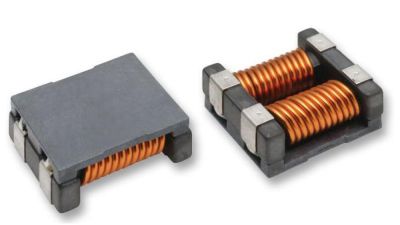
The CMF1513 Series Core Common Mode Line Filter is a notable advancement in noise suppression technology, designed to enhance device longevity through effective electromagnetic interference (EMI) suppression. Its wire-wound construction allows for excellent impedance characteristics, making it a crucial component in high-current circuits. This feature is particularly beneficial in applications such as automotive electronics, where managing noise and ensuring efficient current handling are imperative for performance and reliability.
One of the standout features of the CMF1513 series is its scalable SMD design, which accommodates various size requirements, allowing for flexible integration into diverse system layouts. The filter demonstrates high rated current capacity while maintaining low DC resistance, which is essential for reducing power losses and improving overall system efficiency. By effectively eliminating common mode noise and preventing radiation emissions from power lines, this filter enhances the operational stability and lifespan of electronic devices, making it an indispensable element in modern electronic designs.
FAQS
: Filtering efficiency reduces noise and maintains signal integrity, enhancing overall system performance.
Reports indicate that up to 80% of power quality issues come from electromagnetic interference.
A filter's design determines its ability to minimize noise and achieve optimal attenuation across frequencies.
Mismatching can lead to overheating, potential failure, and system inefficiencies.
A filter needs versatility to perform well across variable frequencies, ensuring consistent performance.
Matching the filter's current rating to the application's demands is essential to prevent thermal overload.
Underestimating can cause serious failures and interruptions in system operation.
Regular assessment can save costs and improve long-term system reliability significantly.
This confusion can lead to decisions that compromise system safety and performance.
High-performance filters may come with size and cost implications that need careful consideration.
Conclusion
When selecting the best DC Line Filter for your specific needs, it is essential to understand the various types and applications available. Key specifications such as filtering efficiency, frequency response, and power ratings should be evaluated to ensure optimal performance. It’s also crucial to consider the current capacity of the filter, as this can significantly impact its effectiveness in your system.
Environmental factors, including temperature, can influence the DC Line Filter's performance, making it important to account for these variables during selection. Additionally, adhering to common standards and certifications assures quality and reliability in your filtering solutions. By taking these factors into consideration, users can make informed decisions that align with their operational requirements and enhance system performance.

 +86-15916242887
 CONTACT US