INQUIRY
Leave Your Message
0%

Thinking about grabbing an Inductor Coil? Well, understanding its specs is a pretty big deal. John Smith, a pro at CoilMasters, always says, "Picking the right Inductor Coil can really make or break your project’s performance." I think that really hits home — choosing the right component isn’t just technical; it’s crucial for your circuit to work smoothly.

Inductor Coils are used in all sorts of applications, but to get the best out of them, you gotta match them to what your project actually needs. They come in different sizes, inductance values, and materials, and knowing these details can save you a lot of headaches — nobody wants to waste time or money on the wrong part. For example, if you pick a coil that's not suited for your frequency or temperature needs, it could cause your circuit to run inefficiently or even fail completely. So, keeping these factors in check is key to getting everything running just right.

Honestly, a lot of people miss the little details when choosing an Inductor Coil. Things like frequency response and temperature ratings might seem minor, but they can seriously affect how reliable your setup is over the long haul. It’s smart to really think about what your project needs before buying. Sure, the whole process can feel a bit overwhelming at first, but really, making informed choices pays off in the end — your project will thank you for it.

What You Need to Know About Inductor Coils for Purchase?

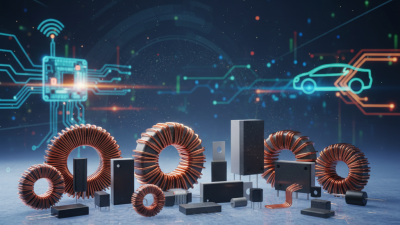
Understanding Inductor Coils: A Comprehensive Overview

What You Need to Know About Inductor Coils for Purchase?

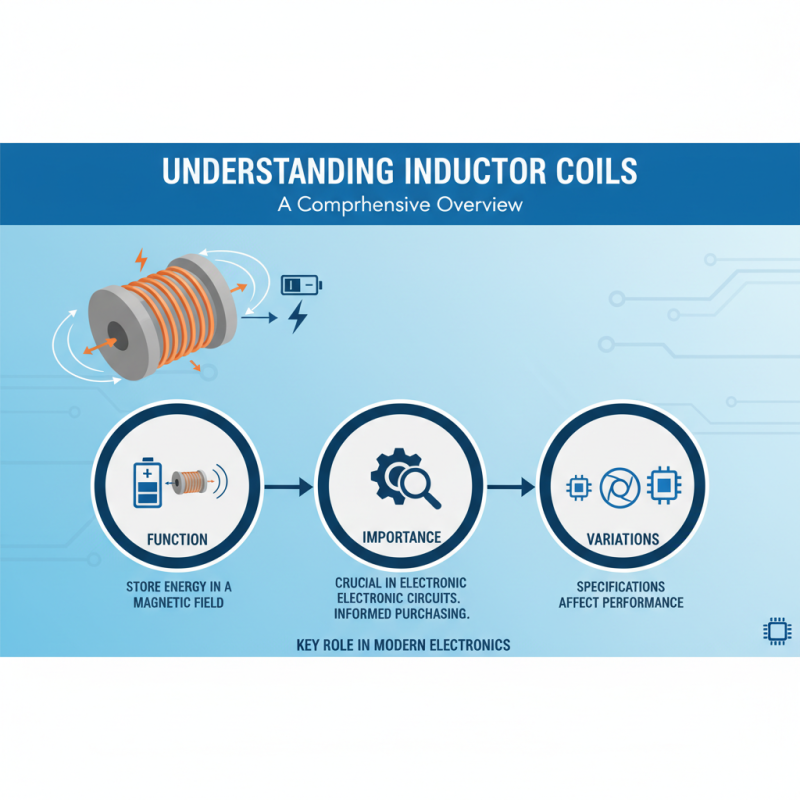
Inductor Coils play a crucial role in various electronic circuits. They store energy in a magnetic field when an electric current passes through them. Understanding their function is vital for making informed purchasing decisions. These components can vary in specifications, affecting their performance in different applications.

When selecting a Coil Inductor, consider the inductance value. It measures how effectively the coil stores energy. Pay attention to ratings such as current, voltage, and DC resistance. These metrics will impact how the inductor performs in your project. Conduct thorough research on different types of inductors and their specific uses.

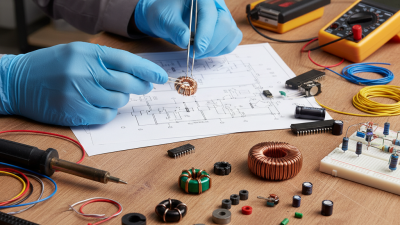
**Tips:** Always check the tolerances associated with Inductor Coils. If you overlook this, it might lead to performance issues. Also, analyze the core material. Ferrite and air cores offer different benefits. Understand which material aligns with your project's needs. Not all inductors will fit every purpose; take time to assess your specific requirements. Each decision can significantly influence the success of your electronic design.

Key Factors to Consider When Purchasing Inductor Coils

When purchasing Inductor Coils, several key factors come into play. It's crucial to understand theinductance value you need. This value impacts how the coil will function in your circuit. A mismatch can lead to inefficiencies. Look for coils with a tolerance that fits your application. Tighter tolerances often translate to better performance.

Consider the rated current. It determines how much current the inductor can safely handle. Exceeding this rating can cause overheating and damage. Be mindful of the core material as well. Different materials influence efficiency and thermal performance. Ferrite and iron cores have distinct characteristics and suitable applications.

Don't overlook the physical size of the inductor. Space constraints can significantly impact your design. Larger inductors can provide higher inductance but might not fit in compact setups. Also, check the frequency rating. High-frequency applications require inductors designed to minimize losses at those frequencies. Balancing these factors requires careful consideration and sometimes experimentation.

Types of Inductor Coils and Their Applications

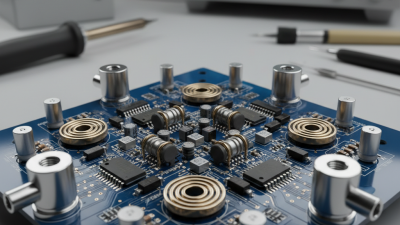
Inductor coils are essential components in many electronic devices. They come in various types, each suited for specific applications. Air Core Inductors are lightweight and used in RF applications. They offer high-frequency performance but have lower inductance.

Ferrite Core Inductors, on the other hand, excel in power applications. They provide better efficiency and are commonly found in switch-mode power supplies. Their magnetic properties help to enhance performance but can saturate if overloaded. Thus, it’s crucial to choose appropriately based on the circuit requirements.

Another type is the toroidal inductor, known for its compact design. This shape minimizes electromagnetic interference, making it perfect for sensitive applications. However, they can be challenging to manufacture and often come with higher costs. Understanding these nuances is vital when selecting the right inductor coil for your needs.

Types of Inductor Coils and Their Applications

Evaluating Inductor Coil Specifications and Ratings

What You Need to Know About Inductor Coils for Purchase?

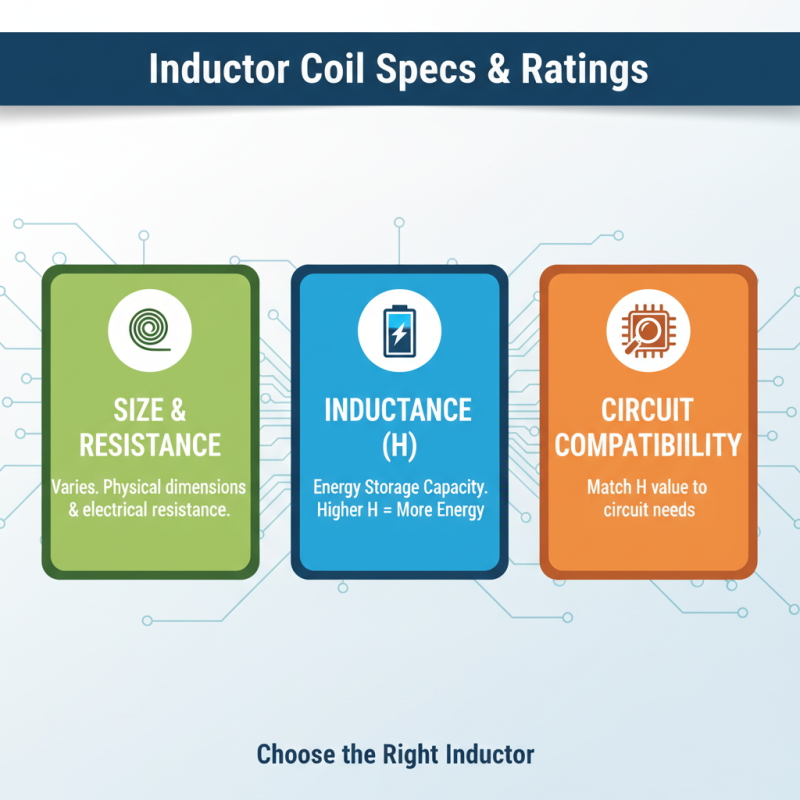
When considering inductor coils, understanding specifications and ratings is crucial. Inductor coils vary in size, resistance, and inductance. The inductance value determines its ability to store energy. Higher inductance means greater energy storage. Look for values specified in henries (H). This will help you determine compatibility with your circuit.

Current rating is another essential specification. It indicates the maximum current an inductor can support. Exceeding this rating can cause overheating and damage. Choose an inductor with a higher current rating than you anticipate needing. This adds a safety margin, preventing unexpected failures.

Additionally, pay attention to the temperature coefficient. This coefficient indicates how the inductance varies with temperature. It can affect performance in extreme conditions. Evaluating these measurements ensures you select the right coil for your project. Always err on the side of caution and consider environmental factors. Reflect on how each specification impacts your specific application. Inductor selection is not always straightforward; keep learning and adapt your choices over time.

The Role of Inductance and Resistance in Coil Selection

When selecting inductor coils, understanding inductance and resistance is crucial. Inductance influences how well a coil stores energy. Higher inductance often means better energy storage. This is essential for applications like filters and energy supplies. Resistance, on the other hand, can limit performance. A coil with high resistance may waste energy as heat. In contrast, a coil with low resistance is more efficient.

Tips for selecting inductor coils: Evaluate the specific needs of your project. For high-efficiency applications, consider Smt Coil options. These are known for compact designs and better performance. Additionally, factor in temperature ratings. Higher temperatures can negatively impact resistance. Don't overlook the physical size of the coil; ensure it fits your circuit layout.

Inductor coils come in various styles and specifications. Select the one that aligns with your design requirements. Sometimes, the perfect coil is not the most obvious choice. Experiment with different inductance values. Finding the right balance requires testing and careful consideration. Your decisions will significantly affect overall circuit performance.

Common Mistakes to Avoid When Buying Inductor Coils

When buying inductor coils, many make common mistakes that can lead to poor performance. One typical oversight is not considering the specifications. Understanding inductance, current ratings, and resistance is crucial. Don’t just look at the price; focus on what fits your project’s requirements.

Another frequent error is overlooking the quality of materials. High-quality wire and core materials enhance efficiency and longevity. Choose coils with appropriate insulation to prevent short circuits. Poor quality can degrade performance over time, leaving you with unreliable components.

Tips: Check reviews from other buyers. Reliable feedback can guide your selection. Also, avoid rushing your purchase. Take your time to research different types, including the benefits of Wireless Coils. This knowledge ensures you make an informed choice. Quality coils support the overall functionality of your projects.

Where to Buy Quality Inductor Coils: A Guide to Suppliers

When looking for quality inductor coils, knowing where to find them is crucial. Many suppliers vary in reliability and expertise. Start by exploring reputable electronics distributors. Often, they provide detailed specifications and certifications for their products. This kind of information builds confidence in your purchase decisions.

Consider specialty suppliers that focus on inductors. They usually offer a diverse selection, including Low DC resistance rod choke inductors. These components are essential for efficient circuit design. Ensure the suppliers have a solid track record. Online reviews can reveal how other customers feel about their products and service.

Attending trade shows and industry events is another effective way to identify quality suppliers. You get to interact directly with manufacturers and ask specific questions. However, not every interaction may be perfect. It’s worthwhile to verify the claims made in person. Gather samples if possible. Testing the inductors can help you make a more informed choice.

Maximizing Performance with High-Frequency Rod Choke Inductor: A Deep Dive into the ARA0620 Series

The ARA0620 series of high-frequency rod choke inductors represents a significant advancement in electronic components, particularly in enhancing performance across various applications. With an operating temperature range of -40°C to +85°C and a storage range extending from -55°C to +100°C, these inductors are designed to perform robustly under extreme conditions, ensuring reliability in critical applications such as automotive electronics and EMI filtering. The compatibility with 260°C reflow soldering processes enhances the ease of manufacturing, making them a practical choice for modern electronic designs.

In the telecommunications and automotive sectors, the demand for efficient impedance matching and noise suppression is growing. The ARA0620 series meets this need by facilitating effective EMI filtering and ensuring stability in DC-DC converter circuits. According to industry reports, the global inductor market size is expected to reach substantial growth, driven by the increasing integration of electronic components in various devices. As high-frequency applications proliferate, the need for reliable and robust inductors that can maintain performance under diverse conditions becomes paramount.

The compact design of the ARA0620 series not only eases integration into intricate circuit layouts but also adheres to RoHS compliance, meeting environmental standards imperative for modern electronics. These features position the ARA0620 series as a critical component for engineers seeking to maximize performance while ensuring compliance and reliability in high-demand applications across multiple industries.

FAQS

: What are inductor coils used for?

: Inductor coils are used in various electronic devices, particularly in RF and power applications.

What is an air core inductor?

An air core inductor is lightweight, ideal for RF applications, and offers high-frequency performance.

How do ferrite core inductors perform?

Ferrite core inductors excel in power applications, providing better efficiency but can saturate if overloaded.

Why is choosing the right inductor important?

Selecting the correct inductor based on circuit requirements is crucial for optimal performance and reliability.

What does inductance determine?

Inductance indicates an inductor's ability to store energy; higher values mean greater energy storage capacity.

What is a current rating in inductors?

The current rating shows the maximum current an inductor can handle without overheating or getting damaged.

Why consider the temperature coefficient?

The temperature coefficient measures how inductance varies with temperature, impacting performance in extreme conditions.

What challenges can a toroidal inductor present?

Toroidal inductors have a compact design but can be difficult to manufacture and may have higher costs.

How should I evaluate inductor specifications?

Assess size, resistance, and inductance carefully. This ensures compatibility with your specific circuit needs.

How can I improve my inductor selection skills?

Continuously learn and reflect on how each specification affects your applications. Adapt your choices over time.

Conclusion

When purchasing inductor coils, it is essential to have a thorough understanding of their function and specifications. This article outlines key factors to consider, such as the types of inductor coils available and their specific applications across various industries. Evaluating the specifications and ratings of an inductor coil is crucial, as inductance and resistance play significant roles in determining their suitability for specific electrical applications.

Moreover, the article highlights common mistakes to avoid during the purchasing process, ensuring that buyers make informed decisions. A comprehensive guide to reliable suppliers of quality inductor coils is also provided, helping individuals navigate the marketplace effectively. By following these insights, buyers can secure the right inductor coils that meet their technical requirements and enhance their project's performance.
Ethan

Ethan

Ethan is a dedicated marketing professional at Zhuhai Eastever Electronic Co., Ltd., where he plays a vital role in promoting the company’s innovative range of passive electronic components. With over a decade of experience in the industry, Ethan possesses deep expertise in the research,......
Previous 2026 How to Choose the Right Ferrite Chipbead for Your Needs?