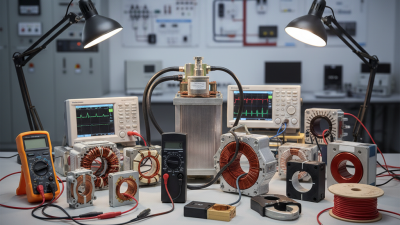
Hey, you know, in the ever-changing world of electrical engineering, finding reliable Current Transformersis more important than ever. Industry pro John Smith puts it simply: “Getting the precision right in Current Transformers isn’t just about accuracy — it’s about keeping power systems efficient and safe.” That really highlights just how crucial these devices are when it comes to measuring current levels accurately.
Now, with so many manufacturers popping up in China, picking the right partner can be pretty overwhelming. Big names like Siemens, Schneider Electric, and ABB are pretty much household names in the industry, but there are also lots of newer players offering some pretty competitive options. The catch? Their products can differ a lot in quality, pricing, and how they’re used, which makes it tricky for buyers trying to figure out who’s who.
Deciding on a manufacturer for your Current Transformers isn’t something to rush into. You’ve gotta look at things like their technology, how reliable their supply chain is, and if they’re good with customer support. And of course, never underestimate the importance of quality assurance. When you find the right supplier, it can really boost how smoothly your power systems run. But honestly, going through the options often reveals some weaknesses or gaps that need your attention — it’s all part of the process.

Overview of CE Certification for Current Transformers in China
CE certificationis crucial for Current Transformers in China. This certification ensures that products meet European safety, health, and environmental standards. It demonstrates compliance with essential requirements, providing assurance to consumers and businesses alike. However, many manufacturers face challenges in understanding these requirements fully.
The certification process can be complex and time-consuming. It often involves rigorous testing and documentation. Companies may misinterpret the standards, leading to delays. Some manufacturers overlook critical details during the compliance process which could result in non-conformity. Such oversights can lead to increased costs and wasted resources.
In a competitive market, staying informed about changing regulations is essential. Regular training sessions and workshops can bridge knowledge gaps. Furthermore, collaboration with experts and experienced organizations can enhance understanding. Mistakes in the certification journey are learning opportunities. They push companies to adapt and improve, ultimately leading to better products in the market.
Criteria for Selecting Reliable Current Transformer Manufacturers
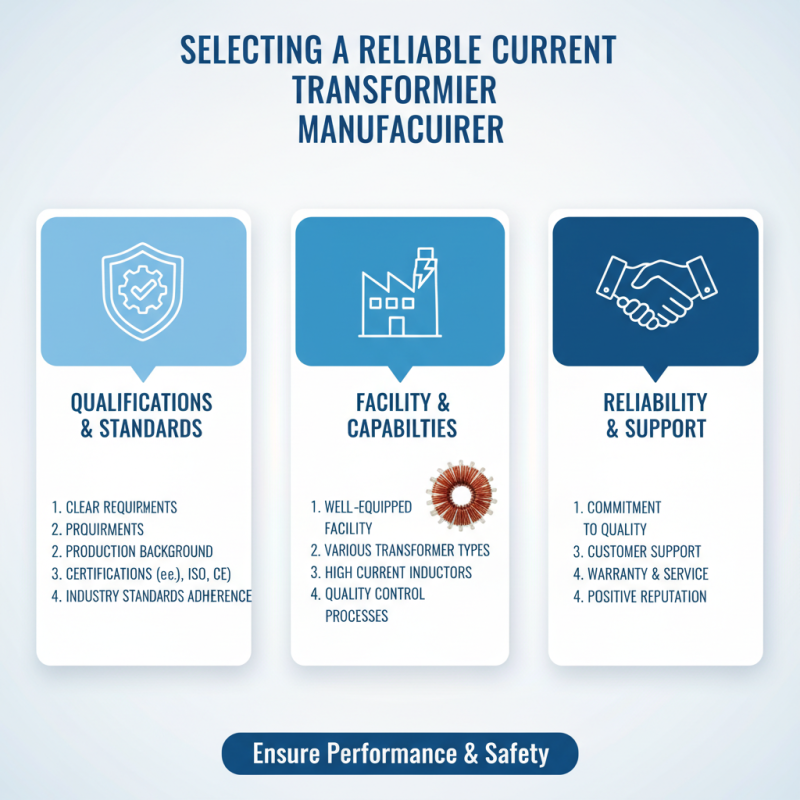
When selecting a reliable Current Transformer manufacturer, clarity in your requirements is essential. A manufacturer should have a solid production background. Check their certification status and adherence to industry standards. This could reflect their commitment to quality. Ensure they have a facility that is well-equipped for various transformer types, includingHigh Current Inductors.
Examine their product range to see if they meet your needs. It’s useful to ask about their testing methods and reliability data. Look for manufacturers that provide customization options. Flexibility can enhance your project outcomes. Gathering feedback from previous customers can offer insights into their performance.
Price is important, yet it shouldn't come at the cost of quality. A low price might signal compromise in materials or manufacturing practices. Focus on a balance between cost and value. Understanding the manufacturer's production processes can be enlightening. Some may lack transparency, which could indicate potential issues. Take the time to visit their facilities if possible, as this can reveal much about their operational standards.
Top Manufacturers: A Comparative Analysis of Quality and Performance
When evaluating CE certification for Current Transformers in China, quality and performance are essential aspects. Many manufacturers claim to meet high standards, yet their outputs can vary greatly. Pay attention to the materials used in construction. High-quality insulation and core materials enhance durability and efficiency.
Tips: Always request sample products for evaluation. Physical inspection can reveal inconsistencies and help you gauge performance.
Another crucial factor is testing procedures. Manufacturers should follow rigorous testing processes to ensure reliability. Some products may appear compliant, but real-world performance may not align with specifications. This can lead to operational failures in critical applications.
Tips: Check for third-party testing certifications. Independent reviews can provide additional clarity on quality performance.
Investing time in thoroughly comparing manufacturers can prevent costly mistakes. Understand the specifications and applications clearly before making decisions. Quality assurance should always be a top priority in your selection process.
Top 10 CE Certification China Current Transformer Manufacturers Performance Comparison
This chart displays a comparative analysis of quality and performance metrics for the top Current Transformer manufacturers in China. The data is based on average ratings across several key performance indicators.
Innovative Technologies in Current Transformer Manufacturing
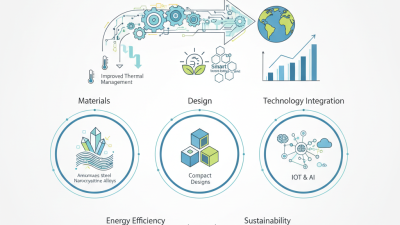
The Current Transformer industry in China is evolving rapidly. Innovative technologies, particularly inRf Transformer manufacturing, are redefining efficiency and performance. Recent reports show that smart transformers are becoming mainstream. They offer real-time monitoring and data analytics, enhancing grid reliability.
One notable trend is the integration of IoT into transformer systems. Manufacturers are leveraging advanced sensors and IoT devices for better diagnostics. This shift is reducing maintenance costs by up to 30%. Companies that adopt these technologies report improved operational efficiency. However, transitioning to these systems can be complex and requires skilled personnel.
Tips for manufacturers include investing in training programs for employees. This ensures they are equipped to handle advanced technologies. Additionally, collaborating with tech firms can foster innovation. Testing new designs and materials in real-world scenarios may also yield valuable insights. Embracing this approach may not only improve production but also elevate product quality in an ever-competitive market.
Top 10 CE Certification China Current Transformer Manufacturers Guide
| Manufacturer Rank | Annual Production Capacity (units) | Years in Business | Main Export Markets | Special Features |
| 1 | 500,000 | 20 | Europe, North America | Advanced insulation technology |
| 2 | 400,000 | 15 | Asia, Africa | Low maintenance design |
| 3 | 350,000 | 25 | Middle East, South America | High precision measurement |
| 4 | 600,000 | 30 | Oceania, Europe | Robust design for harsh environments |
| 5 | 450,000 | 10 | North America, Asia | Smart technology integration |
| 6 | 300,000 | 18 | Africa, South America | Eco-friendly materials |
| 7 | 700,000 | 22 | Europe, Asia | Modular design for easy upgrades |
| 8 | 250,000 | 12 | North America, Oceania | Real-time monitoring capabilities |
| 9 | 480,000 | 8 | Asia, Europe | Customizable solutions |
| 10 | 600,000 | 20 | North America, Middle East | High efficiency models |
Regulatory Framework for CE Certification in China
The regulatory framework for CE certification in China is complex. It serves as a crucial guideline for manufacturers. Compliance ensures products meet safety and environmental standards. The regulations also emphasize the importance of quality and reliability.
In China, the CE certification process involves several steps. Manufacturers must conduct thorough testing of their products. Documentation is essential, detailing compliance with EU directives. However, many manufacturers struggle with understanding these requirements. Misinterpretation can lead to delays and additional costs.
There is a focus on continuous improvement within the certification process. Manufacturers must regularly update their knowledge and practices. Industry standards evolve, so staying informed is vital. This constant need for adaptation presents challenges for many. The path to compliance is often unclear, leading to confusion and missteps.
Market Trends and Future Outlook for Current Transformers
The demand for Current Transformers is growing steadily in China. Various market trends indicate a shift towards advanced technology. Many manufacturers now focus on smart devices. This helps improve efficiency and accuracy. The integration of IoT in electrical systems is gaining traction. Companies are investing more in research and development. This increases competition among manufacturers.
Tip: Always evaluate the latest technology before choosing a Current Transformer.
The future outlook seems promising. However, challenges remain. Some manufacturers struggle with product quality. Others may lag in innovation. Therefore, continuous improvement is essential. The need for energy efficiency is driving many changes. Market players must adapt to these demands.
Tip: Seek feedback from industry professionals when selecting transformers.
As innovation evolves, the industry must reflect. There’s potential for growth, but vigilance is key. Learning from mistakes can guide future successes. Manufacturers must focus on reliability and performance. This will shape the market for years to come. The rise of Lan Transformer technology can redefine possibilities.
Best Practices for Collaborating with Current Transformer Suppliers
When collaborating with Current Transformer suppliers, clarity is key. Clearly outline your requirements. Understand their capabilities. This ensures that both parties are aligned. Regular communication helps maintain this alignment. Use visual aids, like diagrams or specifications, to bridge gaps. Sometimes, misunderstandings happen. Be prepared to pivot and adjust as needed.
Building a partnership is crucial. Trust takes time but starts with transparency. Share your goals and timelines openly. Suppliers appreciate knowing how their products fit into your project. Discuss quality control measures. If issues arise, address them promptly. A proactive approach can strengthen your relationship. Be aware that not every meeting will lead to perfect outcomes. Learn from setbacks.
Pcb Transformer s are a common focus in these discussions. Ensure your supplier is well-versed in safety standards. Ask about their testing processes. It’s essential to verify their compliance with certifications. You might find gaps in their practices. Engage in discussions about improvements. This helps them grow while solidifying your partnership.
Enhancing High-Frequency Performance: The Benefits of the EBH6553-D004207 1:4CT RF Transformer for 10-1900MHz Applications
In the fast-evolving landscape of high-frequency applications, the EBH6553-D004207 1:4CT RF transformer stands out for its impressive performance across a wide frequency range of 10-1900MHz. Designed to meet the demands of modern communication systems, this transformer is crucial for applications such as DOCSIS 3.0 and 4.0 cable modems, wideband push-pull amplifiers, and CATV systems. The device’s robust specifications, which include an operating temperature range from -40°C to +85°C and a maximum input power of 2W, make it a reliable choice for both indoor and outdoor environments.
The design of the EBH6553-D004207 is particularly noteworthy due to its compatibility with 260°C reflow processes, ensuring ease of integration into various circuit designs without compromising performance. Additionally, the RoHS compliance and lead-free construction align with contemporary environmental standards, catering to industry shifts toward greener technologies. As high-frequency applications continue to grow, particularly in the realms of VHF/UHF transmitters and CATV optical receivers, having a versatile and efficient transformer like the EBH6553-D004207 is essential for maintaining signal integrity and minimizing transmission losses. Reports indicate that the demand for RF components in telecommunications will reach unprecedented levels in the coming years, and products engineered for high-frequency optimization are at the forefront of this technological revolution.
FAQS
: The product is designed to enhance user experience and improve efficiency in daily tasks.
Follow the user manual for setup. Practice makes perfect, so spend time familiarizing yourself with it.
Yes, always read the safety guidelines. Avoid exposure to harmful environments, and use it as intended.
Check the troubleshooting section in the manual. If issues persist, contact support for further assistance.
Regular cleaning and careful handling are essential. Avoid overusing it to prolong its lifespan.
There may be a warranty, but it varies. Check your purchase details for specific information.
Returns are typically allowed within a specified period. Ensure it is in original condition for refunds.
Some users find it complex initially. Familiarization might take longer than expected, leading to frustration.
It has unique features that some users appreciate. However, not everyone finds it ideal for their needs.
Reflect on what you expected. If it falls short, consult reviews and consider alternative options for future purchases.
Conclusion
This article serves as a comprehensive guide for understanding CE certification for current transformers in China. It begins with an overview of the certification process and highlights the key criteria for selecting reliable manufacturers in the competitive market. A comparative analysis of leading manufacturers focuses on their quality and performance, alongside innovations shaping the industry, such as advancements in manufacturing technologies.
Additionally, the article discusses the regulatory framework governing CE certification and outlines prevailing market trends and future outlooks for current transformers. Emphasis is placed on best practices for collaboration with suppliers, ensuring that businesses can effectively navigate the landscape of current transformer procurement while adhering to compliance and quality standards. Overall, this guide aims to equip stakeholders with essential insights into the CE certification process and manufacturing excellence in the realm of current transformers.

 +86-15916242887
 CONTACT US